منتجاتنا الممتازة

  • التعبئة المهيكلة
  • التعبئة العشوائية
  • التصميمات الداخلية للبرج
  • الاخرين
التعبئة المهيكلة
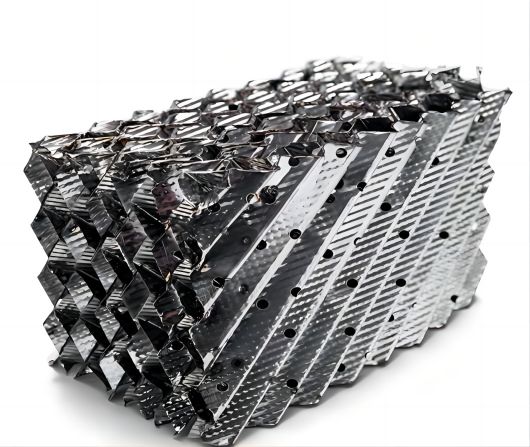
metal structured packing random packing
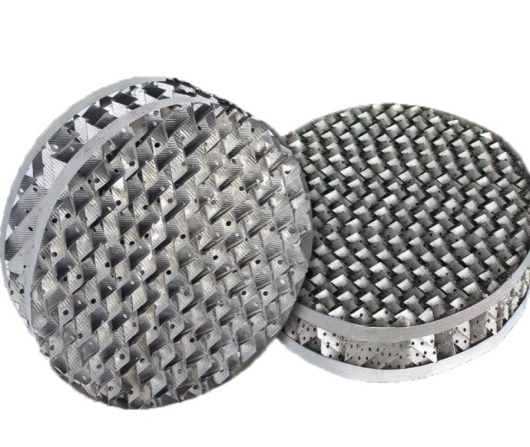
التعبئة البرجية ذات الهيكل المعدني
التعبئة المنظمة هو نوع من التعبئة مرتبة ومكدسة وفقًا للهندسة الموحدة في البرج. هندسة قسم البرج بأكمله منتظمة ومتماثلة وموحدة، ويتم تحديد مسار تدفق الغاز والسائل، مما يقلل من ظاهرة تدفق القناة والجدار التدفق، ويمكن أن يكون انخفاض الضغط صغيرًا جدًا. وفي ظل نفس تكلفة الطاقة وانخفاض الضغط، يمكن أن يوفر مساحة سطح أكثر تحديدًا من التعبئة العشوائية، ويحقق نقلًا أعلى للكتلة وكفاءة نقل الحرارة في نفس الحجم. في العقود الأخيرة، التعبئة المنظمة وقد استخدم على نطاق واسع في العديد من الأبراج في الصناعة الكيميائية الدقيقة وصناعة العطور وتكرير النفط والأسمدة وصناعة البتروكيماويات وغيرها من المجالات.العبوات المنظمة متوفرة في زاويتين ميل مختلفتين، أي. النوع X والنوع Y. العبوات من النوع Y لها ميل وزاوية حوالي 45 من المحور الأفقي، وهي الأكثر استخدامًا. العبوات من النوع X لها زاوية ميل 30 من المحور الأفقي وتستخدم في السعة العالية و تطبيقات انخفاض الضغط.
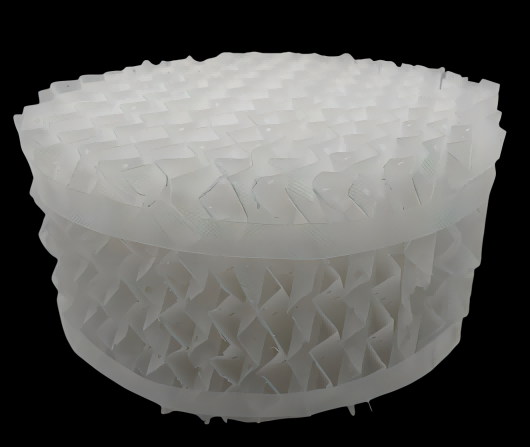
Plastic perforated structured packing
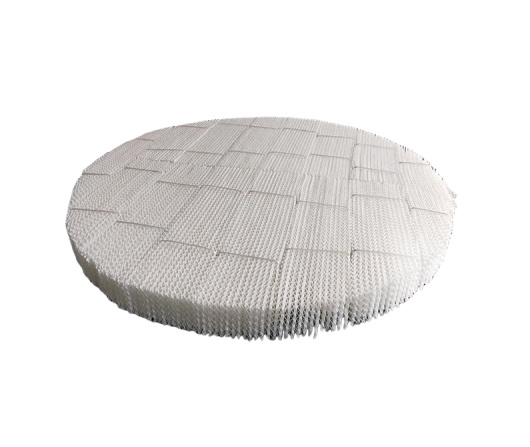
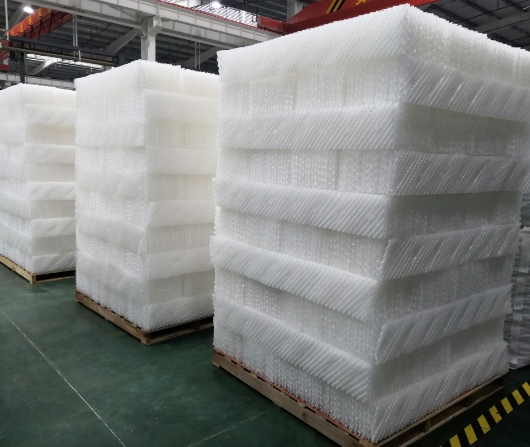
البلاستيك المموج لوحة التعبئة برج التعبئة
منذ أن تم تطوير Metal Mellapak وقبولها في السوق. يجد العلماء التعبئة المعدنية المموجة لم يكن مناسبًا لمتطلبات أي وسيط (حامض). علاوة على ذلك، فمن الصعب جدًا استخدامه على نطاق واسع في مجال الصناعة. بعد ذلك، بلاستيك تعبئة الألواح المموجة ولد. مقارنة بحزمة الألواح المموجة المعدنيةجي، لديها تدفق كبير، وانخفاض الضغط، ومساحة كبيرة وما إلى ذلك. 
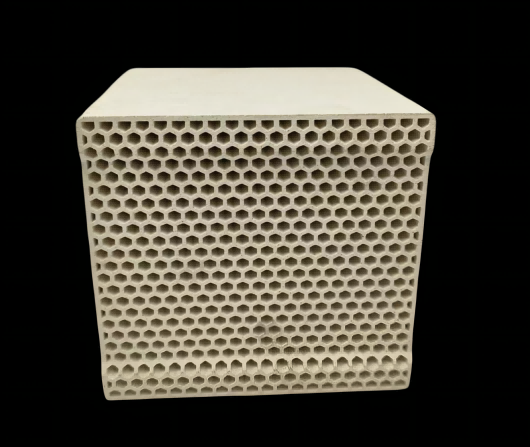
ceramic honeycomb high efficiency gas purification
قرص العسل الزيوليت المنخل الجزيئي عالية الكفاءة تنقية غاز النفايات
في الوقت الحاضر، تستخدم معالجة المركبات العضوية المتطايرة بشكل أساسي الكربون المنشط. وبما أنه لا يمكن تحليل الكربون المنشط عند درجة حرارة عالية، فإنه يتم استبداله بانتظام. ومع ذلك، فإن الكربون المنشط الممتز مع المواد العضوية هو مادة كيميائية خطيرة ذات تكلفة معالجة عالية. هذه المادة الممتزة الصديقة للبيئة عبارة عن منخل جزيئي مسعور، والذي يختلف عن المنخل الجزيئي العادي في أنه يمتص الماء في الغاز بشكل تفضيلي. لديها قدرة امتصاص انتقائية للغاية للمواد العضوية، ويمكن حلها عند درجة حرارة عالية، وبالتالي تحقيق تجديد الامتزاز المستمر. يتم تحويل مادة الامتزاز إلى بنية خلوية عن طريق عملية تحضير خاصة. تبلغ قدرة امتصاص المواد العضوية أكثر من 2%، ويمكن امتصاصها وتجديدها لفترة طويلة. المنخل الجزيئي على شكل قرص العسل أdopt نظام الامتزاز لتقليل تركيز غاز العادم وحجم الهواء، وفي نفس الوقت التعاون مع تكنولوجيا الاحتراق الحفاز لتقليل تكلفة التشغيل.  
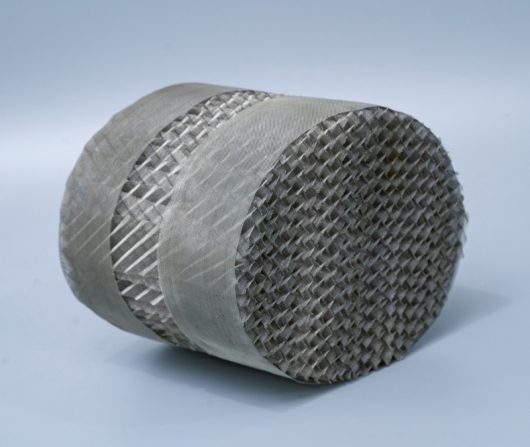
wire mesh structured packing
شبكة سلكية منظم برج التعبئة التعبئة
تعبئة منظمة بشبكة سلكية لديه مساحة سطح محددة عالية. وفي الوقت نفسه، بسبب التأثير الشعري الفريد لل شبكة. سطح التعبئة لديه قابلية أفضل للتبلل. لذلك لديها كفاءة فصل عالية. بالمقارنة مع أنواع التعبئة الأخرى، إنه يتميز بانخفاض ضغط أقل واحتجاز أقل للسوائل، وهو مناسب بشكل خاص للمواد التي يصعب فصلها والحساسة للحرارة أنظمة. المواد الرئيسية لتصنيع تعبئة الشاش السلكي هي الفولاذ المقاوم للصدأ، النحاس، الألومنيوم، الحديد، النيكل، إلخ.  
plastic structured packing
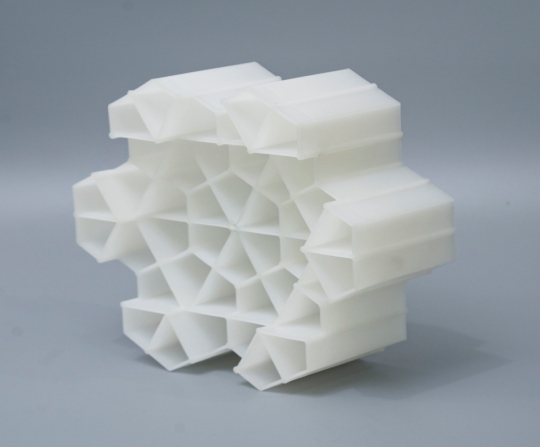
كتلة دعم بلاستيكية على شكل قرص العسل
كتلة دعم بلاستيكية على شكل قرص العسل مصنوع من صب حقن البلاستيك الاصطناعي. يمكن تعديل الصيغة وفقا لذلك لظروف العمل المختلفة لتحقيق أفضل النتائج. إنه يستبدل تمامًا التغليف الخزفي الخفيف الشائع الاستخدام قبل. يمكن استخدام قالب الدعم البلاستيكي على شكل قرص العسل الذي طورناه بشكل متكرر، مع مساحة سطح محددة كبيرة وسعة تهوية كبيرة، وفعاليته ضعف الخزف الخفيف. وخاصة في عملية الصيانة تتحول العبوات الخزفية الخفيفة إلى نفايات صلبة يصعب التعامل معها. ولكن يمكن أن تكون كتلة الدعم البلاستيكية على شكل قرص العسل إعادة استخدامها كموارد متجددة، وهي حماية البيئة وتوفير الطاقة. من خلال اختبار فحم الكوك على المدى الطويل برج إزالة الكبريت. لقد ثبت أن كتلة الدعم البلاستيكية على شكل قرص العسل تتمتع بقدرة قوية ضد الحجب وممتازة تأثير الانفصال والتنقية.        
pph perforated structured packing
PPH المموج لوحة التعبئة برج التعبئة
منذ أن تم تطوير Metal Mellapak وقبولها في السوق. يجد العلماء التعبئة المعدنية المموجة لم يكن مناسبًا لمتطلبات أي وسيط (حامض). علاوة على ذلك، فمن الصعب جدًا استخدامه على نطاق واسع في مجال الصناعة. بعد ذلك، بلاستيك تعبئة الألواح المموجة ولد. مقارنة بحزمة الألواح المموجة المعدنيةجي، لديها تدفق كبير، وانخفاض الضغط، ومساحة كبيرة وما إلى ذلك. 
252Y structured packing manufacturers
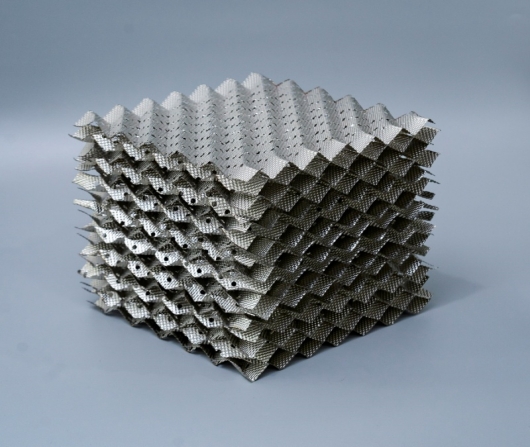
نوع 252Y الفولاذ المقاوم للصدأ لوحة مموجة مثقبة للتعبئة الهيكلية
سيوفر الهيكل الهندسي مساحة سطحية كبيرة محددة. تعمل الوظيفة الشعرية للشاشة أيضًا على زيادة قابلية بلل مساحة السطح. عند التعبئة، تتقاطع صواني التعبئة العلوية والسفلية مع 90 درجة، مما يتميز بالكفاءة العالية والضغط المنخفض والتدفق الكبير. يتم استخدامه في التقطير الفراغي والتقطير الجوي وعملية امتصاص المواد التي يصعب فصلها أو الحساسة للحرارة.  
copper structured packing column
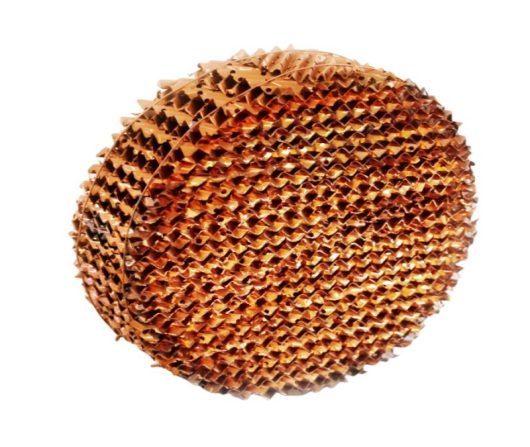
النحاس المعدني فتحة لوحة التعبئة المموجة
وهي مكونة من صفائح مموجة من المعدن المنقوش المثقوب أو الشاش السلكي. والنتيجة هي بنية قرص العسل مفتوحة جدًا مع قنوات تدفق مائلة مما يوفر مساحة سطحية عالية نسبيًا ولكن مع مقاومة منخفضة جدًا لتدفق الغاز. تم اختيار التحسينات السطحية لتعظيم انتشار السائل. تميل هذه الخصائص إلى إظهار فوائد أداء كبيرة في تطبيقات الضغط المنخفض ومعدل الري المنخفض. يتم تصنيع التغليف الهيكلي المعدني بمجموعة واسعة من الأحجام باختلاف ارتفاعات التجعيد. يتراوح سطح التعبئة من 50 م²/م3 (أقل كفاءة، أعلى قدرة) إلى 750 م²/م3 (أعلى كفاءة، أقل قدرة).
التعبئة العشوائية
metal tower packing
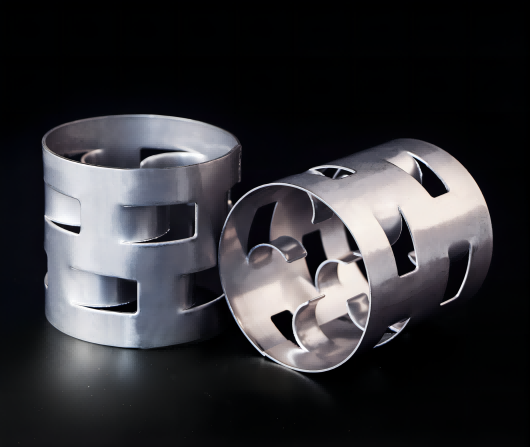
عالية الأداء المعادن عشوائية التعبئة المعدنية بال الدائري
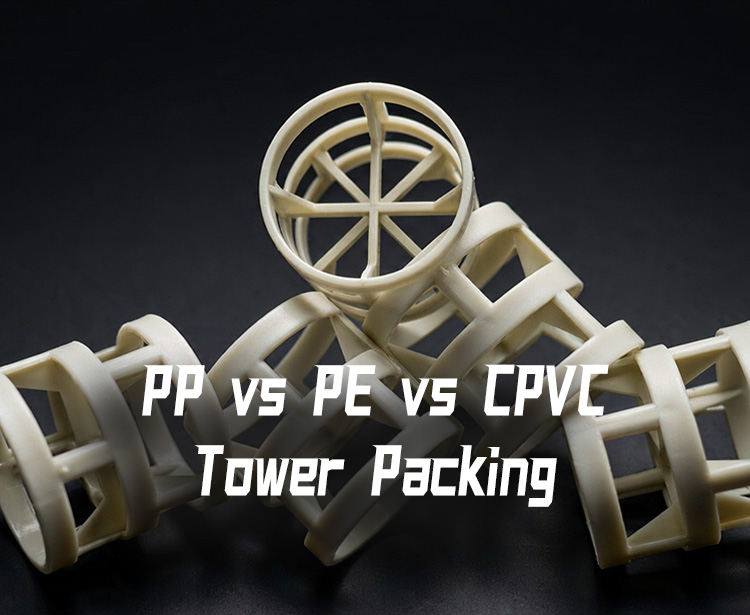
ابتكرته شركة BASF الألمانية الجيل الأول للتعبئة العشوائية. ل بالمقارنة مع حلقة Raschig، فإن التحسن الأكثر أهمية هو زيادة صفين ligule إلى الداخل. إنه يعزز سيولة الغاز السائل ويحسن كتلة تعبئة البرج أداء النقل.  
High performance ceramic pall ring
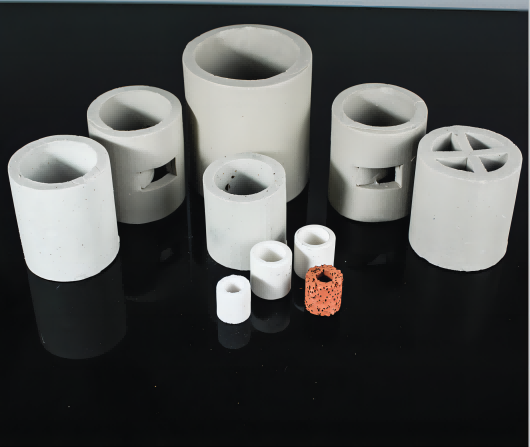
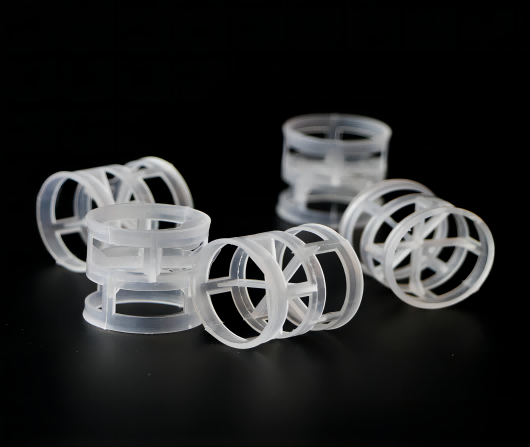
التعبئة العشوائية السيراميك بال الدائري
ابتكرته شركة BASF الألمانية الجيل الأول للتعبئة العشوائية. ل بالمقارنة مع حلقة Raschig، فإن التحسن الأكثر أهمية هو زيادة صفين ligule إلى الداخل. إنه يعزز سيولة الغاز السائل ويحسن كتلة تعبئة البرج أداء النقل.  
metal cascade ring tower packing
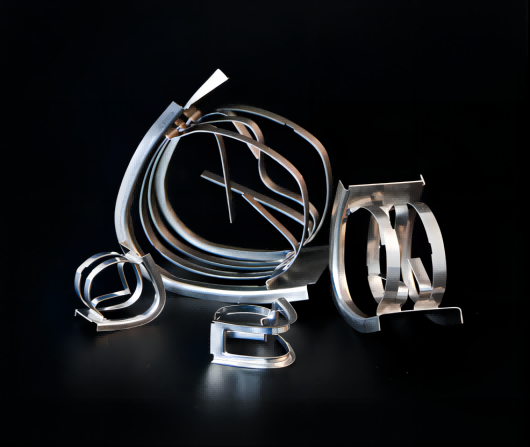
المعادن Intalox السرج الدائري برج التعبئة
ونظرًا لأن شكل هذه العبوة يشبه السرج، فإنه يسمى حلقة السرج أو خاتم بيرل. ال أقدم مادة لحلقة السرج هي السيراميك. في تطبيقنا الفعلي، عندما يتدفق الغاز إلى الأعلى، سوف يتدفق السائل إلى الأسفل مع قناة القوس. هذه طريقة الحركة سوف تقليل حدوث تدفق الجدار بشكل مباشر. ومع ذلك، يتسبب الإطار الخارجي المقوس أيضًا التداخل والتجسير. ولذلك قام العلماء بتغيير الطرفين إلى نوع مستطيل سطح الاتصال. وهذا التحسن سوف يقلل من حدوث الجسور. 
raschig ring
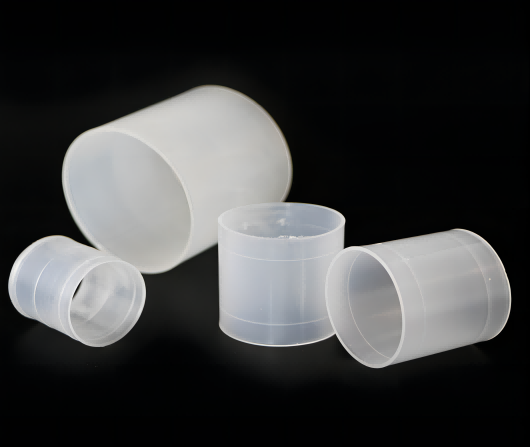
البلاستيك Raschig برج الدائري التعبئة
إنه أقدم تطور لـ التعبئة العشوائيةالذي يساوي ارتفاعه الخارج قطر الدائرة. خاتم راشيج اخترعها الكيميائي الألماني فريدريش راشيج في عام 1914، يشير أيضًا إلى أن تطور تعبئة HDS دخل المسار العلمي. ومع ذلك، في التطبيق الفعلي، مثل "تدفق الجدار، وتدفق القناة، وما إلى ذلك" غالبًا ما حدث ذلك في سرير مكتظ. 
plastic snowflake ring tower packing
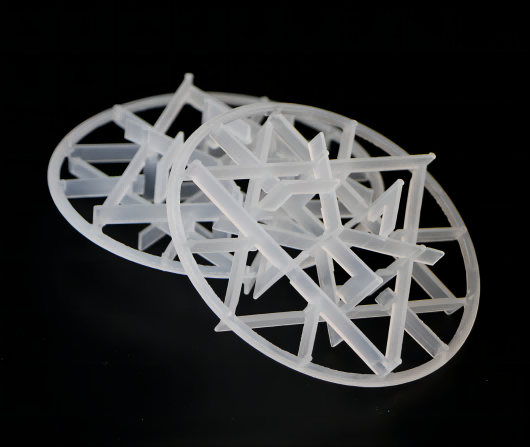
البلاستيك ندفة الثلج عشوائية برج التعبئة التعبئة
حلقة ندفة الثلج البلاستيكية هي ذات كفاءة عالية التعبئة البرجية التي تم تسميتها بشكلها. لها جاذبية محددة منخفضة وعالية نقطة الفيضان، مسامية كبيرة، كتلة عالية ارتفاع وحدة النقل. الى جانب ذلك، هذا عشوائي التعبئة لديها انخفاض الضغط المنخفض، والتي يقلل من ظاهرة الضغط الخلفي و يقلل من استهلاك الطاقة لل عملية التجريد. حلقة ندفة الثلج البلاستيكية للغاية اقتصادي ويمكن تطبيقه في الكلور وإنتاج البروم وفصل الهواء و عملية تبريد الماء. 
plastic flat ring
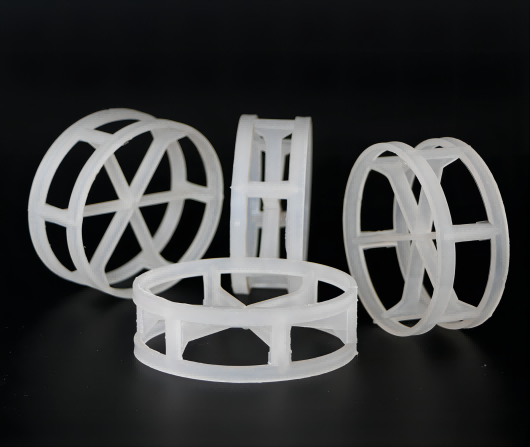
البلاستيك شقة برج الدائري التعبئة
حلقة مسطحة ويسمى أيضًا SMR(خاتم سوبر ميني)، إنها متقدمة التعبئة العشوائية في ال التعبئة برج العمود. لديها هيكل مماثل مع حلقة صغيرة تتالي، هناك لا هيكل التشفيه في الأعلى والأسفل. فإنه يمكن تحسين قوة التعبئة من خلال ضبط قوس الشفرة الداخلية. لديها هيكل تدفق معقول، ضغط منخفضانخفاض مؤكد وأداء نقل جماعي عالي. خاتم سوبر ميني لديه نوعين رئيسيين، والتي تسمي QH-1 و QH-2. 
plastic super saddle ring tower packing
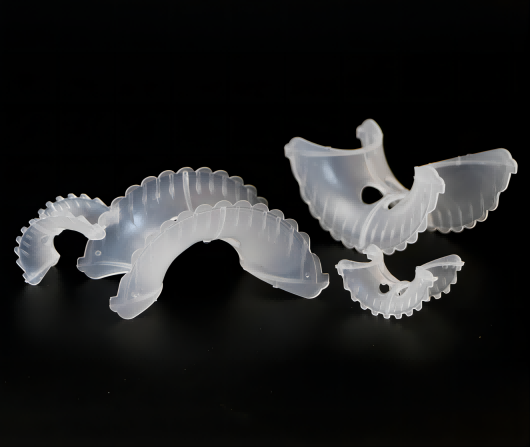
البلاستيك سوبر السرج الدائري برج التعبئة
لقد كانت حلقة محسنة تعتمد على هيكل حلقة Intalox. أكبر تحسينالفكرة هي أن ملف تعريف قوس Intalox Saddle سيكون متغيرًا بشكل متموج أو خشن. وفي الوقت نفسه، زيادةبعض المسام في الوضع الأوسط لقناة السائل القوسي. هذا لا يؤدي تغيير الهيكل إلى زيادة فجوة الاتصال في التعبئة فحسب، بل يؤدي أيضًا إلى تحسينها حركة الغاز والسوائل وتوزيعها في طبقة التعبئة
plastic ralu ring tower packing
البلاستيك Ralu برج التعبئة العشوائية التعبئة
هذه حلقة شاحبة محسنة. التحسين الرئيسي هو زيادة معدل الدوران وسمك الجدار عند كلا الطرفين. دون تغيير كفاءة الفصل، السرير يمكن تقليل الارتفاع. حتى يقلل من هبوط الضغط..
التصميمات الداخلية للبرج
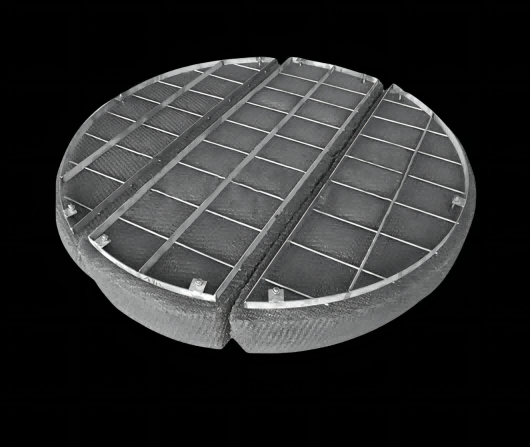
Knitted Wire Mesh Demister Wire Mesh Mist Eliminator
محبوك شبكة سلكية Demister شبكة سلكية ضباب المزيل
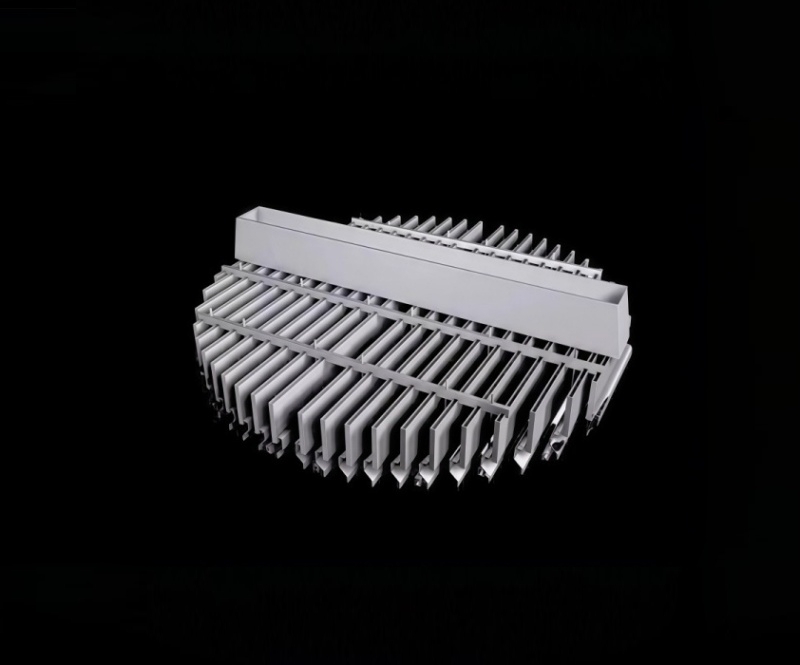
مجموعة كاملة من أجهزة إزالة الضباب بما في ذلك أجهزة إزالة الضباب ذات الوسادة الشبكية وأجهزة إزالة الضباب من نوع الريشة ويتم توفير المجمعات السائلة لفصل السوائل المحبوسة. تتوفر المنتجات في مجموعة متنوعة من المعادن والبلاستيك واللدائن الحرارية لمجموعة واسعة من التطبيقات.يتم استخدام مزيلات الضباب في الجزء العلوي من عمود معبأ أو بالاشتراك مع صينية تجميع بين سريرين معبأين. هم فصل قطرات السائل عن تيار الغاز. تفريغ القطرات من العمود و/أو احتجاز السائل من مرحلة إلى أخرى يتم تصغير التالي. تم تصميم مزيلات الضباب لدينا لتحقيق الأداء الأمثل في ظل تطبيقات محددة. 
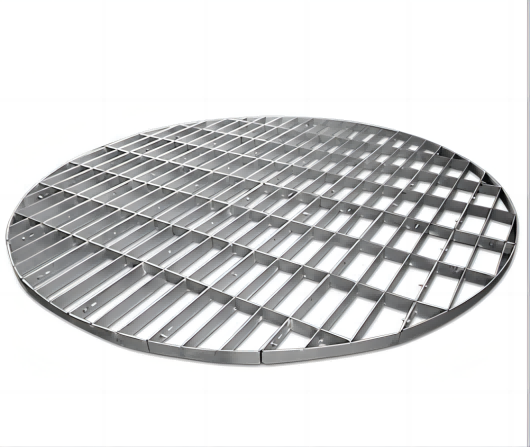
Support Grid Plate
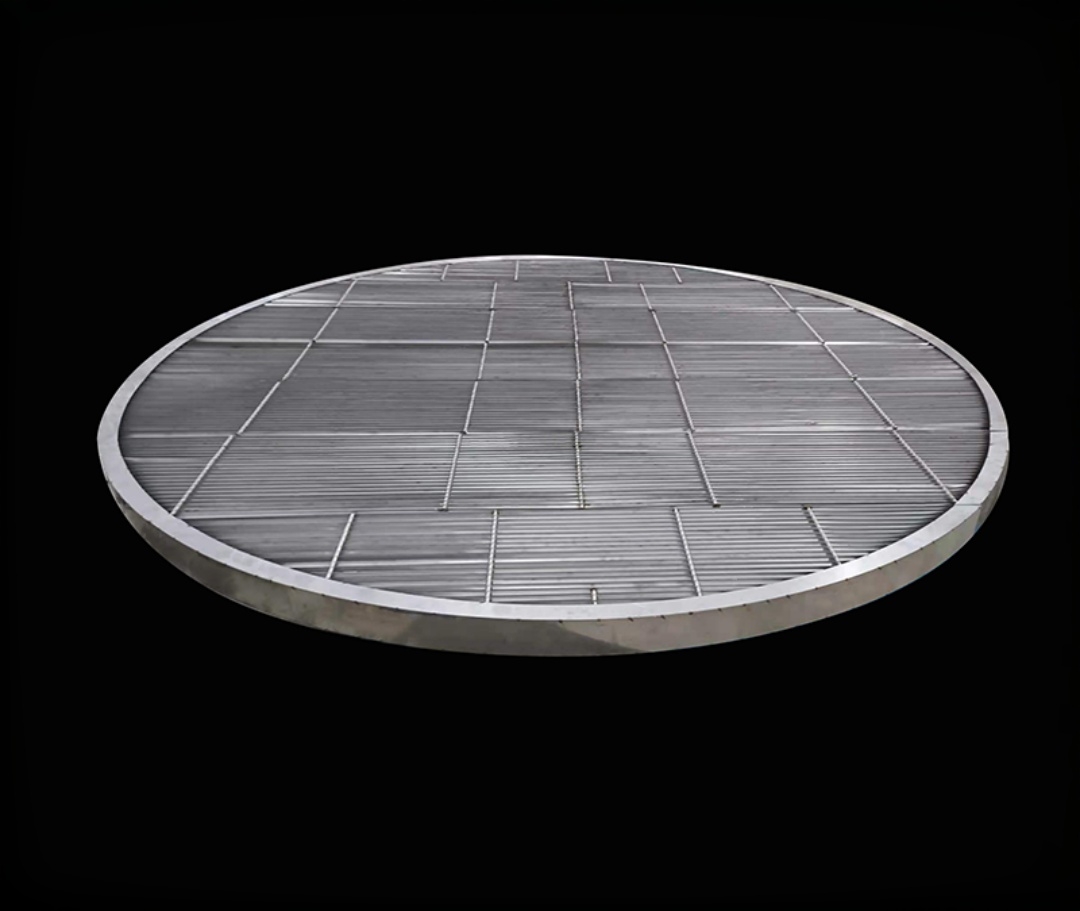
عمود التقطير التعبئة العشوائية دعم لوحة الشبكة
لوحة الشبكة الداعمة يجب أن يتم بناؤه بطريقة تسمح بتدفق الغازات والسوائل في العمود دون قيود قدر الإمكان. وهذا مهم بشكل خاص في المنطقة الواقعة بين شبكة الدعم والسرير المعبأ، حيث يوجد خطر منع تدفق الغاز بواسطة دعامة تعبئة غير مناسبة. وتتمثل الوظيفة الرئيسية لهذه الأجهزة في دعم سرير تعبئة البرج هيكلياً. تعمل شبكات الدعم في كل من عمليات التعبئة المنظمة والعشوائية لمجموعة واسعة من الأغراض. 
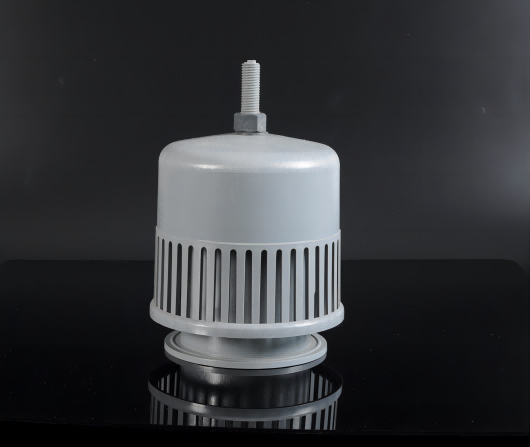
plastic bubble cap tray
غطاء فقاعة بلاستيكية للصناعات الكيماوية
علبة غطاء الفقاعة عبارة عن صفيحة مثقبة مسطحة ذات روافع (مثل الأنابيب) حول الثقوب، وأغطية على شكل أكواب مقلوبة فوق الناهضات.وعادة ما تكون الأغطية مزودة بفتحات أو فتحات يخرج من خلالها البخار. يتم تركيب الغطاء بحيث يكون هناك مسافة بين الناهض والغطاء للسماح بمرور البخار. يرتفع البخار من خلال الناهض ويتم توجيهه إلى الأسفل عبر الغطاء الذي يمر عبر الفتحات الموجودة في الغطاء، وفي النهاية يتدفق عبر السائل الموجود على الدرج. وبما أن البخار يجب أن يمر عبر العديد من الممرات، فإن ذلك يؤدي إلى انخفاض ضغط أعلى وقدرة أقل من الصواني التقليدية الأخرى. تتم تعبئة السائل والرغوة على الدرج إلى عمق يساوي على الأقل ارتفاع السد أو ارتفاع الناهض، مما يمنح صينية الغطاء الفقاعي قدرة فريدة لاستخدامها في تطبيقات التفاعل.   
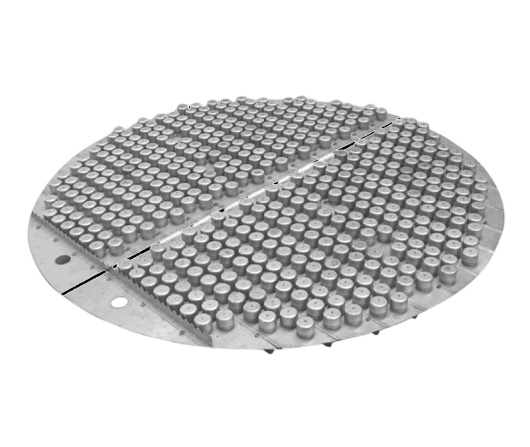
metal bubble cap tray
صينية غطاء الفقاعة المعدنية للصناعات الكيماوية
تُستخدم صواني ذات الغطاء الفقاعي بشكل أساسي في التطبيقات ذات التحميل المنخفض جدًا للسوائل والمرونة العالية جدًا، حيث تكون نسب التدوير الكبيرة مطلوبة. يحتوي غطاء الفقاعة على رافعة أو مدخنة مثبتة فوق كل فتحة، وغطاء يغطي الناهض. يتم تركيب الغطاء بحيث يكون هناك مسافة بين الناهض والغطاء للسماح بمرور البخار. يرتفع البخار عبر المدخنة ويتم توجيهه إلى الأسفل بواسطة الغطاء، ثم يتم تفريغه أخيرًا من خلال الفتحات الموجودة في الغطاء، وأخيرًا يتدفق عبر السائل الموجود على الدرج.   
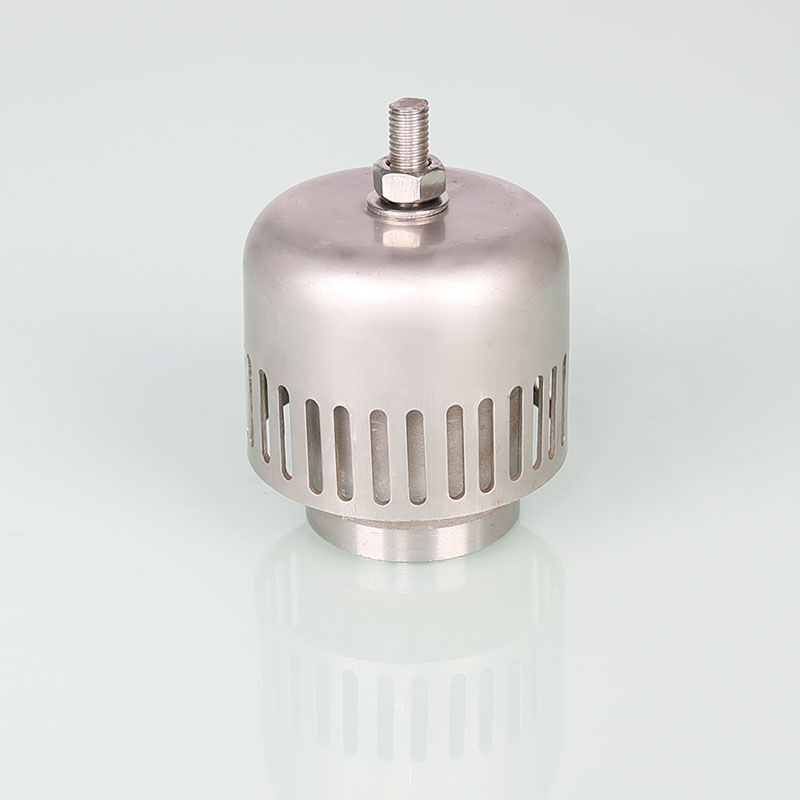
غطاء فقاعة معدني للصناعات الكيماوية
علبة غطاء الفقاعة عبارة عن صفيحة مثقبة مسطحة ذات روافع (مثل الأنابيب) حول الثقوب، وأغطية على شكل أكواب مقلوبة فوق الناهضات.وعادة ما تكون الأغطية مزودة بفتحات أو فتحات يخرج من خلالها البخار. يتم تركيب الغطاء بحيث يكون هناك مسافة بين الناهض والغطاء للسماح بمرور البخار. يرتفع البخار من خلال الناهض ويتم توجيهه إلى الأسفل عبر الغطاء الذي يمر عبر الفتحات الموجودة في الغطاء، وفي النهاية يتدفق عبر السائل الموجود على الدرج. وبما أن البخار يجب أن يمر عبر العديد من الممرات، فإن ذلك يؤدي إلى انخفاض ضغط أعلى وقدرة أقل من الصواني التقليدية الأخرى. تتم تعبئة السائل والرغوة على الدرج إلى عمق يساوي على الأقل ارتفاع السد أو ارتفاع الناهض، مما يمنح صينية الغطاء الفقاعي قدرة فريدة لاستخدامها في تطبيقات التفاعل.   
دعامة بلاستيكية للأبراج والأعمدة المعبأة
بلاستيك دعامات الحدبة (وتسمى أيضًا شبكات دعم التعبئة أو محددات السرير) هي مكونات أساسية في أعمدة معبأة و أبراج التقطير، مصممة لتوزيع الوزن بالتساوي ومنع مواد التعبئة (مثل حلقات Pall أو حلقات Raschig أو التعبئة المنظمة) من الانهيار أو حجب الأقسام السفلية للعمود.الميزات الرئيسية لدعامات الحدبة البلاستيكيةمادة: مصنوعة من PP (بولي بروبيلين)، أو PVDF (بولي فينيلدين فلوريد)، أو CPVC، تم اختيارها لمقاومة المواد الكيميائية.تصميم: هيكل على شكل موجة (حدبة) أو نمط شبكي يسمح بارتفاع منطقة مفتوحة (60-90٪) للحصول على أفضل النتائج تدفق السوائل.وظيفة:يدعم وزن مواد التعبئة لمنع الكسر.يضمن توزيع منتظم للغاز والسوائل.يمنع سقوط العبوة في الجزء السفلي من العمود.مقاومة التآكل: مناسب ل المواد الكيميائية الحمضية والقلوية والعضوية البيئات.خفيفة الوزن وسهلة التركيب: أكثر متانة بكثير من الدعامات المعدنية في الظروف المسببة للتآكل.التطبيقات1. الصناعة الكيميائية والبتروكيماويةأعمدة التقطير والامتصاص والتنظيف لـ:عمليات حمض الكبريتيك وحمض النيتريك وحمض الهيدروكلوريك.معالجة الغاز (إزالة H₂S وCO₂).استعادة المذيبات في الصناعات الدوائية والكيميائية الزراعية.2. معالجة المياه والصرف الصحيأبراج غسل الغازات لإزالة الأمونيا والكلور والمركبات العضوية المتطايرة.برج التبريد دعم التعبئة لتحقيق أقصى قدر من الاستفادة كفاءة نقل الحرارة.3. مكافحة تلوث الهواءمستخدمة في أنظمة إزالة الكبريت من غازات المداخن (FGD) لعقد التعبئة العشوائية.أجهزة التحكم في الروائح للانبعاثات الصناعية.4. صناعة النفط والغازأبراج تجفيف الجليكول (معالجة الغاز الطبيعي).وحدات تحلية الأمين (إزالة H₂S وCO₂).
الاخرين
bio ball filter
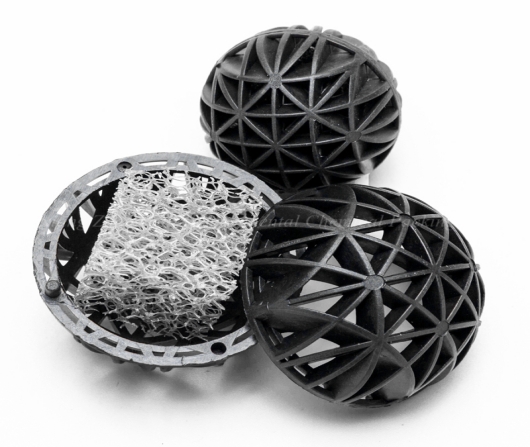
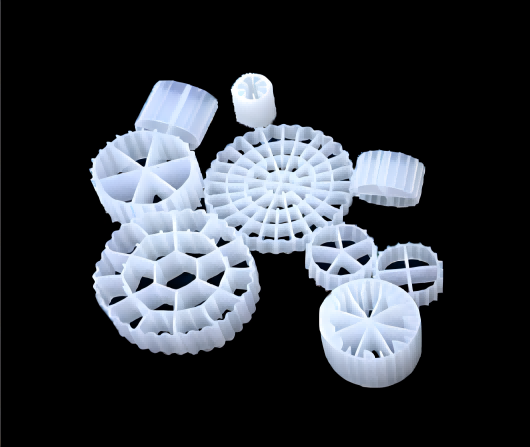
البلاستيك الحيوي الكرة التعبئة لمعالجة المياه
تم اختراعه بواسطة Jaeger Tri. بشكل عام، لا توجد مساحة سطحية كبيرة هي الميزة الأكبر لشركة Tri-pack. يمنح الشكل المميز للأضلاع والدعامات وقضبان التنقيط وسائط التعبئة البرجية Tri-Packs خصائص ترطيب فائقة، والقدرة على الحفاظ على توزيع موحد للسائل في جميع أنحاء السرير. في النظرية التقليدية لانتقال الكتلة، غالبًا ما نعتقد أن مساحة السطح الكبيرة ستزيد من كفاءة نقل الكتلة. في بعض الأحيان، يمكن أن تعيق مساحة السطح الزائدة تلامس الغاز/السائل وتؤدي إلى انخفاض ضغط أعلى. وأخيرًا، سيؤدي ذلك إلى حظر قناة باكينج. وبناءً على هذا الفهم الجديد، اخترع جايجر Tri-pack. بشكل أساسي، توفر هذه العبوة الحد الأقصى للتعاقد السطحي بين الغاز وسائل التنظيف عن طريق التسهيل من خلال التكوين المستمر للقطرات بواسطة الطبقة المعبأة. لقد تم الاعتراف به كأفضل تعبئة لتجريد الهواء ومزيل الغاز وجهاز الغسيل    
MBBR packing for water treatment
البلاستيك MBBR لمعالجة المياه
إنه نوع من عمليات معالجة مياه الصرف الصحي التي اخترعها البروفيسور هالفارد ديغارد لأول مرة في جامعة العلوم والتكنولوجيا في أواخر الثمانينيات. يتكون نظام MBBR من خزان تهوية (على غرار خزان الحمأة المنشطة) مع ناقلات بلاستيكية خاصة توفير سطح حيث يمكن للبيوفيلم أن ينمو. وتصنع الحاملات من مادة ذات كثافة قريبة من كثافة الماء (1جم/سم3). ومن الأمثلة على ذلك البولي إيثيلين عالي الكثافة (HDPE) الذي تبلغ كثافته 0.95 جم / سم 3. سيتم خلط الحاملات في الخزان بواسطة نظام التهوية وبالتالي سيكون لها اتصال جيد بين الركيزة الموجودة في مياه الصرف الصحي المتدفقة والكتلة الحيوية الموجودة على الحاملات  
igel ball
البلاستيك Igel الكرة لمعالجة المياه
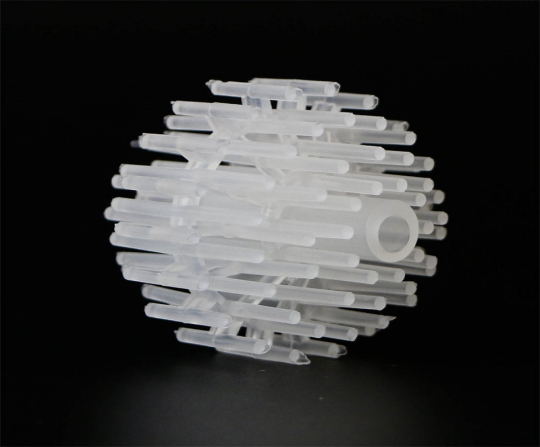
كرة ايجيل هي مادة مرشح حيوي شائعة، والتي تستخدم بشكل أساسي مادة البولي بروبيلين كمواد خام ويتم معالجتها إلى كرة بلاستيكية شائكة متعددة الإبر عن طريق عملية التشكيل بالحقن. يتم توزيع الجسم الأسطواني الصغير بالتساوي في الكرة، مما يزيد من نقطة توزيع البخار والسائل، بحيث يمكنه تشتيت البخار والسائل بالكامل.      

مرحبا بكم في FXSINO

1998
شركة أسس في
  • ستمائة
    0+

    الموظفين المحترفين

  • مائة وثمانية وستون
    0+

    بلد التعاون

  • 24*7
    24*7

    خدمة متحمسة عبر الإنترنت

آخر الأخبار

خبر
  • 032026-04
    Solving Five Major Separation Challenges: How Metal Structured Packing Unlocks Efficiency and Energy-Saving Potential for Your Chemical Plant
    Quick Summary:Facing challenges like high-purity separation requirements, massive energy consumption, equipment size constraints, corrosive media, and frequent process fluctuations? Traditional tower internals often fall short. This article directly addresses five core pain points in chemical plants, explaining how Metal Structured Packing, with its high theoretical stages, extremely low pressure drop, high capacity, excellent corrosion resistance, and wide operational flexibility, serves as a powerful tool for process upgrades and optimization. Ayrtter, based on extensive industry application experience, provides professional technical solutions to help you with precise selection, achieving a leap in separation efficiency and effective control of operational costs. "Our distillation column separation efficiency is always stuck at a bottleneck, product purity won't improve..." "Steam consumption is a bottomless pit, energy costs are suffocating..." "We want to expand capacity, but the plant footprint is fixed, a complete rebuild isn't realistic..." "Handling corrosive materials, the packing lifespan is short, maintenance costs are too high..." "With just a slight feed fluctuation, column operation becomes unstable, product quality is inconsistent..." These real voices from process engineers and production managers reveal common core challenges in chemical separation processes. When traditional trays or random dumped packing​ struggle to meet increasingly stringent efficiency and energy demands, Metal Structured Packing​ has emerged as a key technology for modern process industries to break through bottlenecks. This article focuses on five common engineering challenges, analyzing how metal structured packing provides systematic solutions Challenge One: How to Meet Stringent High-Purity Separation Requirements? In the production of fine chemicals, electronic chemicals, and pharmaceutical intermediates, product purity requirements are nearly苛刻, translating directly into extreme demands for the theoretical stage count​ and separation efficiency​ of tower internals. The solution from metal structured packing lies in its superior microstructure.​ Taking Ayrtter's AY-MSP350X​ model as an example, its regular corrugated channels create exceptionally uniform gas-liquid distribution, virtually eliminating maldistribution phenomena like "channeling" and "wall flow," allowing each theoretical stage to perform at its maximum potential. Compared to conventional random packing, metal structured packing can increase the theoretical stage count by over 30% at the same column height. This means: Either​ achieving higher product purity within the existing column height. Or​ significantly reducing column height to meet the same separation requirement, thereby lowering equipment investment and footprint. Challenge Two: How to Effectively Reduce Massive Separation Energy Consumption? Separation processes, especially distillation, are major "energy consumers" in chemical plants. The energy is primarily consumed in providing reboiler heat at the column bottom, and the column pressure drop is a key factor determining the reboiler temperature (and thus energy consumption). Metal structured packing is a natural "energy saver."​ Gas flows through its internal regular, smooth channels with minimal resistance. Data shows that at the same gas velocity, the pressure drop of metal structured packing is typically only 1/4 to 1/3 that of random packing. Lower pressure drop means:   For vacuum distillation, the bottom temperature can be reduced further, significantly lowering steam consumption and better protecting heat-sensitive materials. For atmospheric/pressure distillation, the low pressure drop allows operation at higher capacities or directly reduces overall reboiler energy consumption. In a refinery vacuum column retrofit case, switching to high-efficiency structured packing resulted in a 15-20% reduction in steam consumption​ with a very short payback period. Challenge Three: How to Achieve Capacity Expansion Within Limited Plant Space? Market opportunities are fleeting, but building new columns takes time and significant investment. How to tap the potential of existing equipment within the original framework is a practical challenge for many plants. The high capacity characteristic of metal structured packing makes this possible.​ Due to its excellent hydrodynamic performance, it can handle larger gas and liquid phase loads before reaching the flooding point. In actual capacity expansion revamps, by replacing with Ayrtter's high-capacity metal structured packing, it's often possible to achieve a 20%-40% increase in processing capacity without changing the column diameter. This is equivalent to gaining nearly the capacity of a new production line at the cost of an "internal column surgery," offering a very high return on investment. Challenge Four: How to Handle Corrosive Media and Harsh Process Environments? When processing acid gases, halides, or other corrosive systems, the long-term stable operation of equipment is a significant test. The advantage of metal structured packing lies in its diversity of materials and customizability. Ayrtter not only provides conventional 304, 316L stainless steel materials but can also supply packing manufactured from duplex steel, Hastelloy, or even titanium​ based on material characteristics. More importantly, we can apply special passivation treatments or functional coatings​ to the packing surface to further enhance its corrosion resistance, fouling resistance, or improve its wettability. This comprehensive protection from the "skeleton" to the "skin" ensures long service life and stable performance in harsh environments. Challenge Five: How to Adapt to Frequent Feed Fluctuations and Flexible Production? Modern plants often need to switch product grades or handle feedstocks with fluctuating compositions, requiring separation columns to have good operational flexibility. Metal structured packing maintains high separation efficiency over a wide range of operating loads.​ Compared to trays, it lacks distinct "weeping" or "entrainment"拐点; compared to some random packing, its efficiency decline curve with load is gentler. This means that when feed rate or composition varies within a certain range, metal structured packing can still ensure stable product quality, providing reliable support for flexible plant operations. Scientific Selection: From "Usable" to "Optimal" Recognizing the advantages of metal structured packing is only the first step. Achieving the leap from "usable" to "optimal" hinges on scientific selection. This requires comprehensive consideration of: Process Objectives: Is the goal ultimate purity (choose higher specific surface area models like 500Y), or maximum processing capacity (choose high-capacity models like 125Y/250Y)? Physical Properties: The corrosiveness, foaming tendency, and cleanliness of the material determine the choice of material and surface treatment. Operating Conditions: Vacuum, atmospheric, or high-pressure operation, continuous or batch production, all influence the final design. Ayrtter's technical team can provide professional process simulation support​ and customized design​ to ensure the selected packing perfectly matches your process flow, unlocking maximum value.   SEO TDK Suggestions Title (60 chars): Solve 5 Separation Challenges: Metal Structured Packing Efficiency Guide - Ayrtter Meta Description (280 chars): Struggling with low purity, high energy use, or capacity limits? Ayrtter explains how Metal Structured Packing solves 5 core chemical separation pain points. Get high efficiency, low pressure drop, corrosion-resistant solutions. Download our selection guide. Article Tags: Metal Structured Packing, Separation Efficiency, Distillation Energy Saving, Chemical Packing Selection, High Pressure Drop Solution, Corrosion Resistant Packing, Column Capacity Expansion, Process Optimization, Mass Transfer Equipment, Ayrtter Solutions   Structured Data (FAQPage Schema) Expert Commentary & Analysis:Currently, the application of metal structured packing has moved from单纯的 "performance replacement" into a new phase of "process empowerment." Its value is no longer confined to the column interior but is deeply integrated with the plant's overall energy efficiency management, flexible production, and carbon reduction goals. Under the "Dual Carbon" goals, the reliance of absorption/stripping columns in CCUS​ projects on high-capacity, low-pressure-drop​ packing is clear evidence. However, product performance in the market varies, and the real gap lies in the deep understanding of the process and precise engineering conversion capability. Ayrtter's practical experience shows that a successful project begins with accurately dissecting the client's pain points and succeeds through the deep integration of Computational Fluid Dynamics analysis, materials science, and manufacturing processes. In the future, suppliers capable of providing integrated solutions from simulation, custom production to performance guarantee​ will play a central role in driving the industry's efficiency revolution.
    إقرأ المزيد
  • 282026-03
    Case Study: Solving Chronic Tower Downtime & High Energy Costs in a Sulfuric Acid Plant with Ceramic Super Saddle Rings
    Quick Summary:A major sulfuric acid producer in China faced persistent operational challenges: excessive pressure drop in drying/absorption towers and frequent, costly shutdowns due to packing degradation. After retrofitting with Ayrtter's Ceramic Super Saddle Rings, the plant achieved a ~55% reduction in system pressure drop, extended packing service life beyond 5 years, and significantly lowered energy consumption. This data-driven case study details the problem, solution, and verified results.   The Operational Challenge: Efficiency Loss in a Corrosive Environment A large-scale sulfuric acid production facility in Eastern China, with an annual capacity exceeding 500,000 tons, was grappling with chronic inefficiencies in its core process units: the drying and absorption towers. The traditional ceramic random packing inside these towers was failing to perform reliably under the severe conditions of high-temperature, concentrated sulfuric acid. The plant's engineering team was besieged by three interconnected problems: Unsustainable Energy Costs:​ The existing packing created high flow resistance, leading to excessive system pressure drop. This forced the plant's large blower and fan systems to operate at higher power draws, resulting in steep and rising electricity costs. The Cycle of Unplanned Downtime:​ Subjected to corrosive attack and thermal stress, the conventional packing deteriorated rapidly, suffering from breakage and fines generation. This caused channeling, further increased pressure drop, and ultimately necessitated a full packing replacement every 2-3 years. Each unplanned shutdown meant significant production loss and high maintenance costs. Unpredictable Performance:​ As the packing degraded, the tower's separation efficiency became unstable. This volatility threatened consistent product quality and prevented the plant from operating safely at its designed, optimal capacity. Finding a packing solution that could withstand the extreme environment while fundamentally improving hydraulic performance was critical. Options like Metal Pall Rings​ were unsuitable due to corrosion, and plastic materials could not handle the operating temperatures. The Engineered Solution: A Data-Backed Decision for Ceramic Super Saddle Rings Following a comprehensive technical review, the plant partnered with Ayrtter. The analysis conclusively identified Ceramic Super Saddle Rings​ as the optimal solution, based on three decisive advantages perfectly aligned with the application's demands: Designed for Hydraulic Superiority:​ The unique saddle shape with internal arches and a textured surface prevents nesting and creates a bed with a high void fraction. This geometry is engineered to minimize gas flow resistance, directly targeting the root cause of high energy consumption. Built for Severe-Service Longevity:​ Manufactured from a high-alumina ceramic formulation, these rings offer >99.6% resistance to sulfuric acid​ and excellent thermal shock resistance. This material integrity promised the durability needed to break the costly cycle of frequent packing replacement. Validated by Proven Performance:​ Ayrtter​ provided documented case histories and performance data from similar sulfuric acid applications, giving the client confidence that the theoretical benefits would translate into tangible, real-world results. Implementation: A Measured, Pilot Retrofit Approach The plant adopted a cautious, data-focused strategy. One critical drying tower was selected for a pilot retrofit. During a scheduled maintenance outage, the old ceramic packing was replaced with Ayrtter 50mm Ceramic Super Saddle Rings. After recommissioning, the team meticulously monitored key performance indicators for over 12 months. The collected operational data, summarized in the table below, provided clear and compelling evidence of the solution's effectiveness. A Clear Comparison: Documented Performance Metrics Performance Metric Before Retrofit (Legacy Ceramic Packing) After Retrofit (Ayrtter Ceramic Super Saddle Rings) Result Achieved Average System Pressure Drop ~2,800 Pa ~1,260 Pa ~55% Reduction Projected Packing Service Life 24-36 months >60 months(and counting) >100% Increase Potential Tower Throughput Capacity Design Baseline Up to 115% of baseline Up to 15% Increase Operational Stability Declined over time, required close monitoring Stable, predictable performance profile Significantly Enhanced Reliability The Engineering Rationale Behind the Success The outstanding results were a direct consequence of the Ceramic Super Saddle Ring's design directly addressing the failure modes of the previous packing. Solving the Pressure Drop Problem:​ The open, high-void-fraction bed structure​ was crucial. By providing a less restrictive path for process gas, it directly translated into lower energy consumption. The ~55% pressure drop reduction​ allowed the blower to operate at a significantly lower power draw for the same gas flow. Ending the Degradation Cycle:​ The high-alumina ceramic​ used by Ayrtter​ is fired at extreme temperatures, creating a dense, glass-like surface that is virtually impervious to concentrated sulfuric acid. This solved the core issues of corrosion, erosion, and structural failure that previously dictated the short packing lifespan. Unlocking Process Potential:​ The superior geometry not only reduces pressure drop but also enhances liquid distribution and gas-liquid interfacial renewal. This improves mass transfer efficiency in the drying and absorption processes, contributing to more stable operation and the potential for increased throughput. Broader Impact: Benefits Beyond the Metrics Beyond the quantifiable KPIs, the retrofit delivered significant strategic advantages: Predictable Maintenance Scheduling:​ With extended packing life and stable performance, the plant can now schedule maintenance outages years in advance, optimizing production planning and resource allocation. Reduced Operational Risk:​ The elimination of unexpected performance decay or sudden pressure surges has made the production line safer and more controllable. Clear & Compelling ROI:​ The combination of energy savings, avoided production losses from downtime, and extended asset life delivered a rapid and unambiguous return on investment, building a strong case for retrofitting other towers in the plant. Expert Commentary & Analysis:This case study validates a core principle for capital-intensive, severe-service industries: operational reliability is the primary driver of total cost of ownership (TCO).​ While the client's initial focus was on reducing energy costs (addressed by the 55% lower ΔP), the switch to high-performance Ayrtter Ceramic Super Saddle Rings​ delivered systemic TCO benefits: capital preservation (doubled service life), risk mitigation (eliminated unplanned stops), and latent capacity (increased throughput potential). In processes like sulfuric acid production, where the operating environment is fixed, the choice of internal components is the largest variable affecting plant economics. This project demonstrates that specifying advanced, application-engineered materials is not merely a procurement decision, but a strategic investment in plant throughput, efficiency, and long-term asset value. Could Your Operation Achieve Similar Results? If your processes involve corrosive media, high temperatures, or if you are combating rising energy costs and unplanned maintenance cycles, the solution detailed here may be directly applicable. Your Next Step with Ayrtter Request a Technical Assessment:​ Submit your tower specifications and process conditions to Ayrtter's engineering team​ for a confidential feasibility and benefit analysis. Review Product Specifications:​ Access detailed technical data sheets and material certification reports for Ayrtter's Ceramic Super Saddle Rings​ in our product documentation center. Discuss a Pilot Project:​ Contact us to explore structuring a controlled, low-risk retrofit in a single tower to validate performance gains with your own data. SEO & Publishing Data 1. SEO TDK Title:​ Ceramic Super Saddle Ring Case Study: Sulfuric Acid Plant Saves Energy | Ayrtter Meta Description:​ Real-world case study: A China sulfuric acid plant used Ayrtter's Ceramic Super Saddle Rings to cut energy costs by 55% & extend packing life. Data from a leading supplier & manufacturer. 2. Tags Ceramic Super Saddle Ring, Case Study, Sulfuric Acid Plant, Tower Packing, Corrosion Resistant Packing, Energy Saving, China Packing Manufacturer, Random Packing, Absorption Tower, Ayrtter 3. Structured Data (FAQPage Schema) { "@context": "https://schema.org ", "@type": "FAQPage", "mainEntity": [ { "@type": "Question", "name": "What was the main problem faced by the sulfuric acid plant before the retrofit?", "acceptedAnswer": { "@type": "Answer", "text": "The plant struggled with chronically high pressure drop in its drying/absorption towers, leading to excessive energy consumption. The existing ceramic packing also degraded quickly in the hot, concentrated acid, causing unplanned shutdowns for replacement every 2-3 years." } }, { "@type": "Question", "name": "What measurable results were achieved after installing Ayrtter's Ceramic Super Saddle Rings?", "acceptedAnswer": { "@type": "Answer", "text": "The retrofit delivered a approximately 55% reduction in system pressure drop, dramatically lowering energy costs. The packing's service life extended beyond 5 years, eliminating frequent downtime. The tower also demonstrated potential for increased throughput, and operational stability improved significantly." } }, { "@type": "Question", "name": "Why are Ceramic Super Saddle Rings particularly effective for sulfuric acid service?", "acceptedAnswer": { "@type": "Answer", "text": "Their unique open saddle geometry creates a high-void bed for low pressure drop and efficient mass transfer. Manufactured from high-alumina ceramic, they offer superior corrosion resistance (>99.6%) and thermal stability, making them exceptionally durable in concentrated sulfuric acid at high temperatures." } }, { "@type": "Question", "name": "Can Ayrtter provide a similar technical analysis for our application?", "acceptedAnswer": { "@type": "Answer", "text": "Yes. Ayrtter's engineering team can review your specific process parameters and tower data to provide a tailored analysis and projected performance benefits for a retrofit using our high-performance Ceramic Super Saddle Rings or other packing solutions." } } ] }
    إقرأ المزيد
  • 092025-09
    اختتم معرض شينجيانغ للصناعات البترولية والكيميائية بنجاح.
    اختُتم معرض شينجيانغ للصناعات البترولية والكيميائية 2025 بنجاح في الفترة من 4 إلى 6 سبتمبر في مركز شينجيانغ الدولي للمؤتمرات والمعارض. واستعرضت شركة وانزي تايمز، بصفتها مزودًا لمنتجات وحلول "الحياد الكربوني الرقمي"، مصفوفتها التكنولوجية الأساسية في المعرض، مما ساهم في بناء جسور بين أهداف الكربون المزدوج والممارسات الصناعية. يُقام المعرض تحت شعار "تعزيز سلسلة الصناعات الكيميائية وبناء إنتاجية عالية الجودة". يركز المعرض على التحديث الأخضر والتحول الرقمي لصناعة البتروكيماويات، ويجمع أكثر من 400 عارض، من بينهم 26 شركة من قائمة فورتشن 500، على مساحة عرض تبلغ 30,000 متر مربع، ويجذب شركات من أكثر من 30 دولة ومنطقة للمشاركة.خلال المعرض، أجرى ممثلو الشركة تبادلات معمقة مع شركات البتروكيماويات وخبراء الصناعة من شينجيانغ وأجزاء مختلفة من البلاد، واستكشفوا بشكل مشترك كيفية حل نقاط الضعف في الصناعة من خلال الوسائل الرقمية.
    إقرأ المزيد

اترك رسالة

اترك رسالة
إذا كنت مهتمًا بمنتجاتنا وتريد معرفة المزيد من التفاصيل، فيرجى ترك رسالة هنا، وسنقوم بالرد عليك في أقرب وقت ممكن.
إرسال

وطن

منتجات

whatsApp

الاتصال